You’re Not Alone — And This Happens More Than You Think.
If you’re here, there’s a good chance something didn’t feel right.
Maybe someone claiming to be Tyler — or connected to him — reached out to you.
Maybe the conversation felt personal, intense, or unusually fast.
Maybe money was involved. Or promises. Or pressure.
And maybe you’re wondering how this could have happened to you.
We want you to know this first: You’re Not Alone — And You Were Targeted.
Online impersonation scams are far more sophisticated — and far more common — than most people realize. This page exists to help you understand what’s happening, recognize the patterns, and feel supported — whether you’re just noticing red flags or already navigating the aftermath.
If money enters the conversation—even indirectly
it is not legitimate.
How the Conversation Starts
A friendly DM claiming to be Tyler or someone from his “team”.
Comments like “I noticed you at the event” or “I remember what you brought me”.
How Trust Is Built
Referencing your recent posts or life events.
Mentioning something emotional you shared publicly.
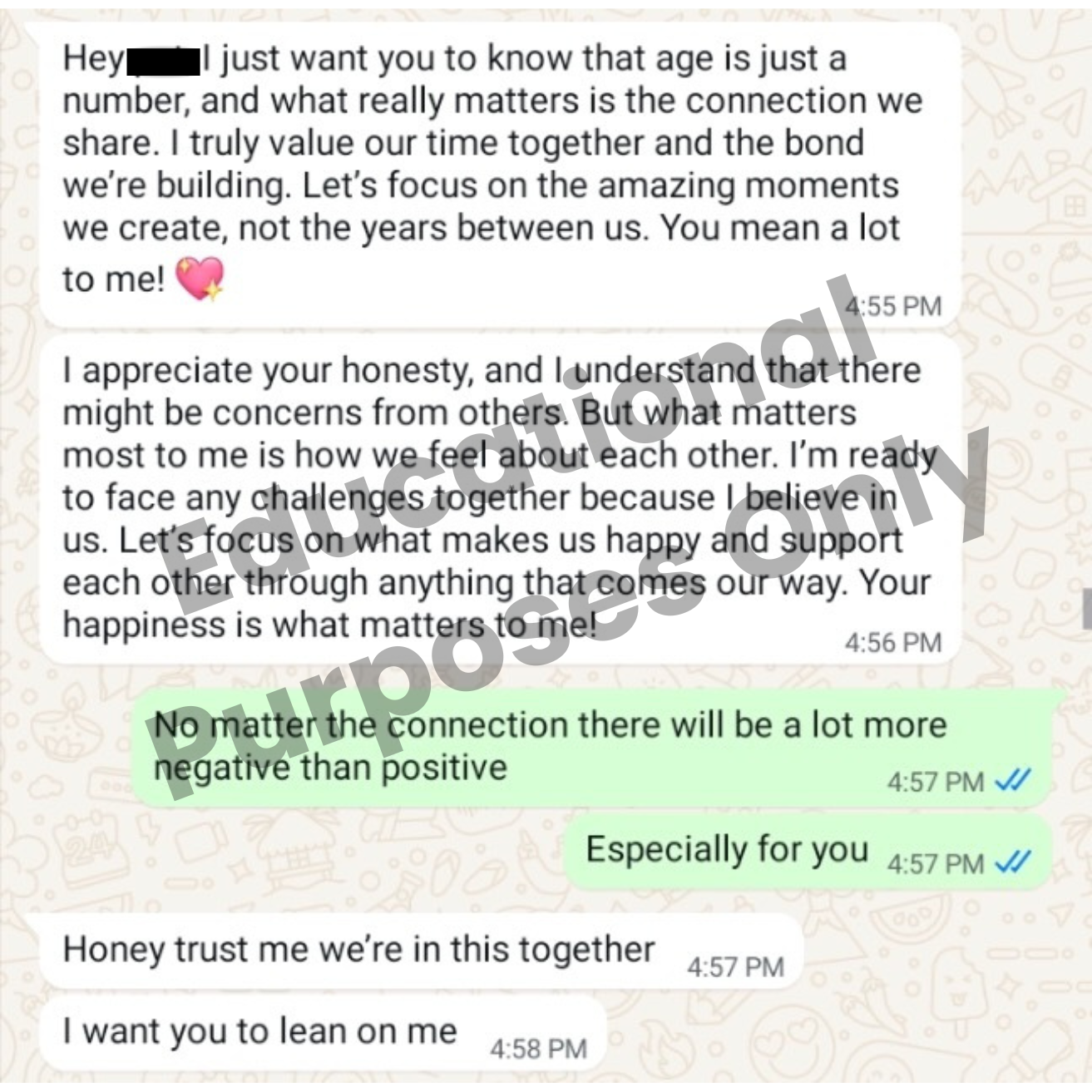
Saying they feel a “special connection” with you.
How It Escalates
Requests to move the conversation to Telegram, WhatsApp, or another platform.
Claims that the interaction must be kept private.
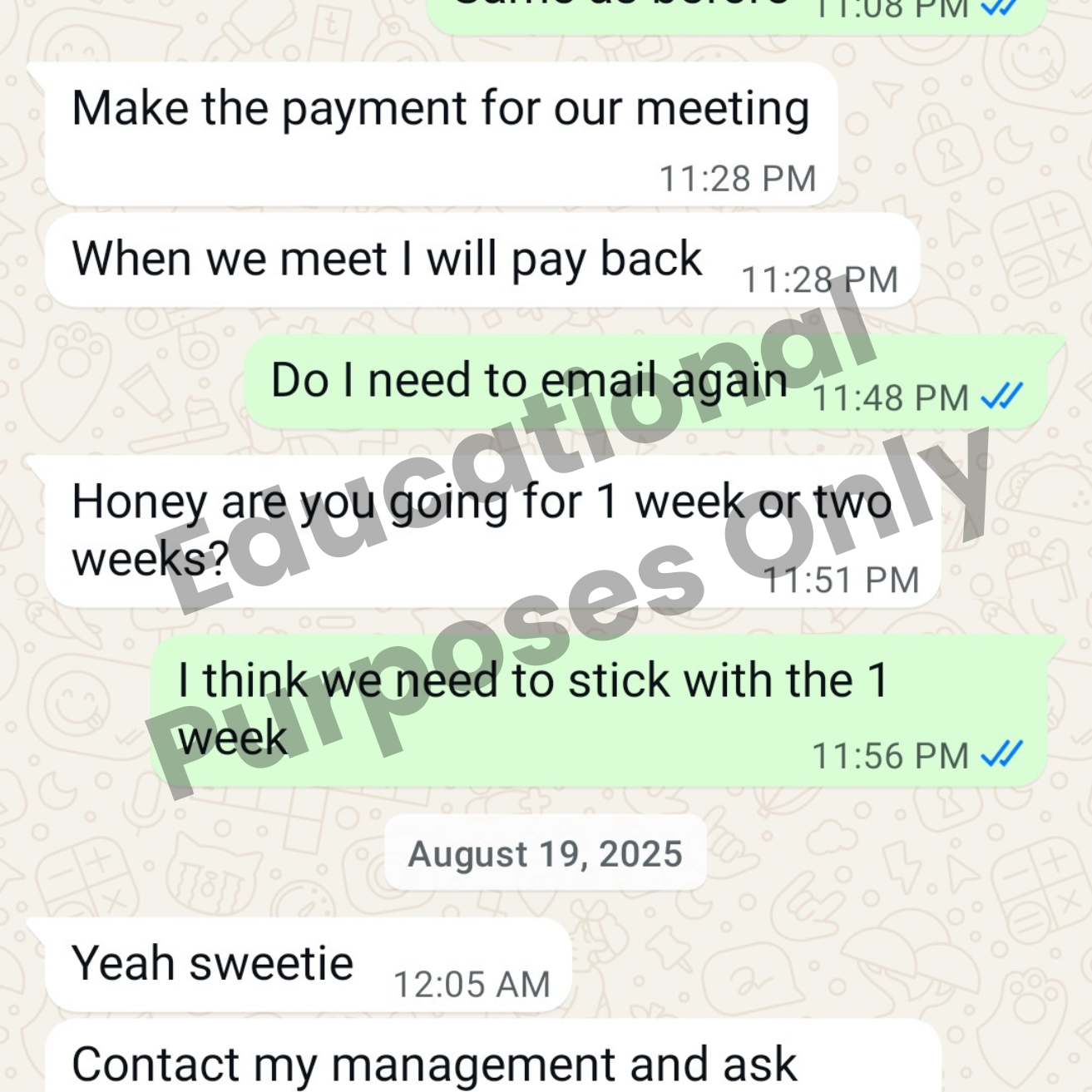
Mentions of “management,” “security,” or “private arrangements”.
The Clear Line
Any request for money, gift cards, fees, or financial help.
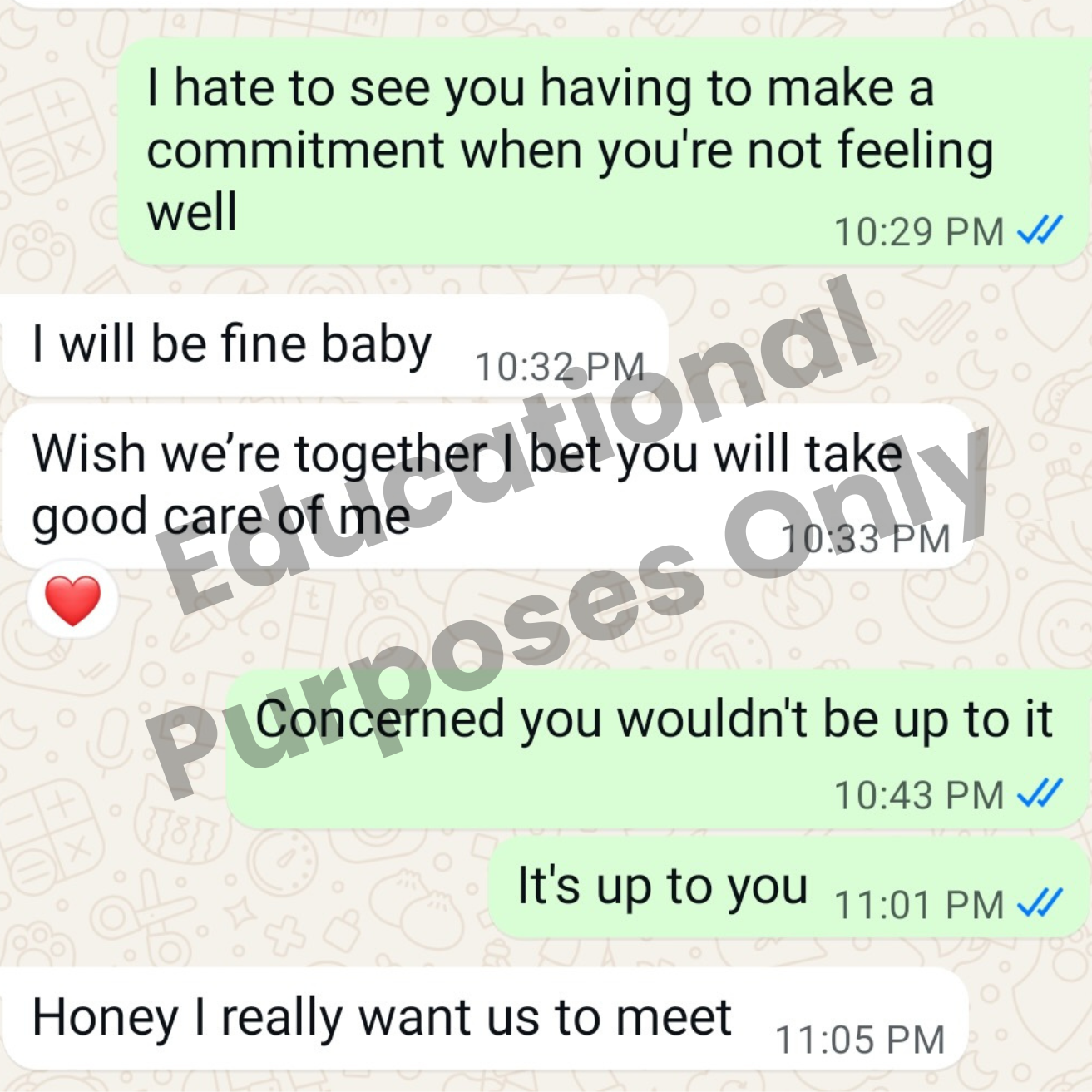
Any promise of private meet-ups, exclusive access, or personal communication in exchange for payment.
What To Do Immediately
Stop responding.
Do not send money or personal info.
Screenshot the account + messages.
Block and report the account.
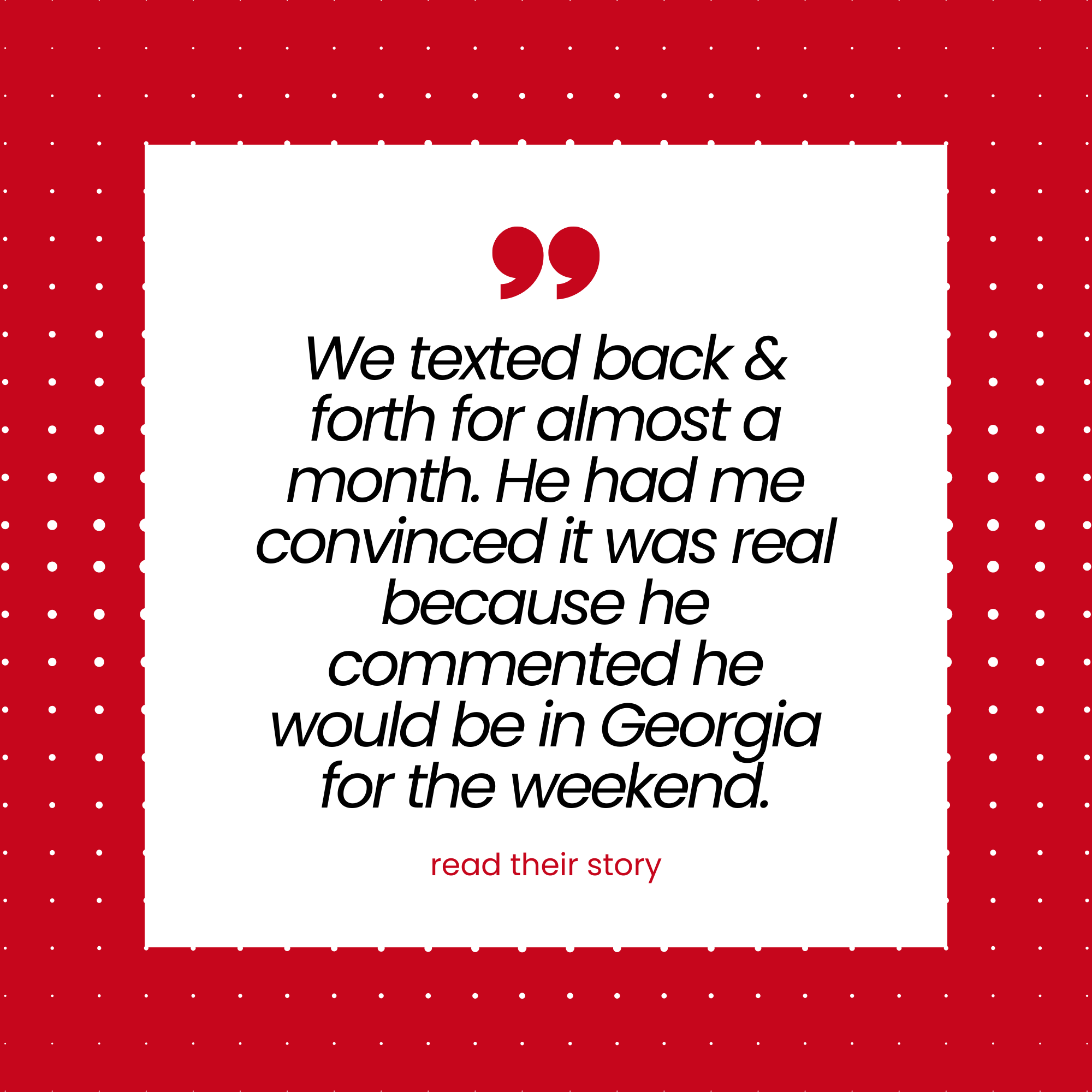
Below are real stories shared by fans who experienced impersonation scams. All stories are shared anonymously, with consent, and edited for safety and clarity.